Why You Must Earth Your Solar Panels: A Safety Warning Guide for Irish Homes
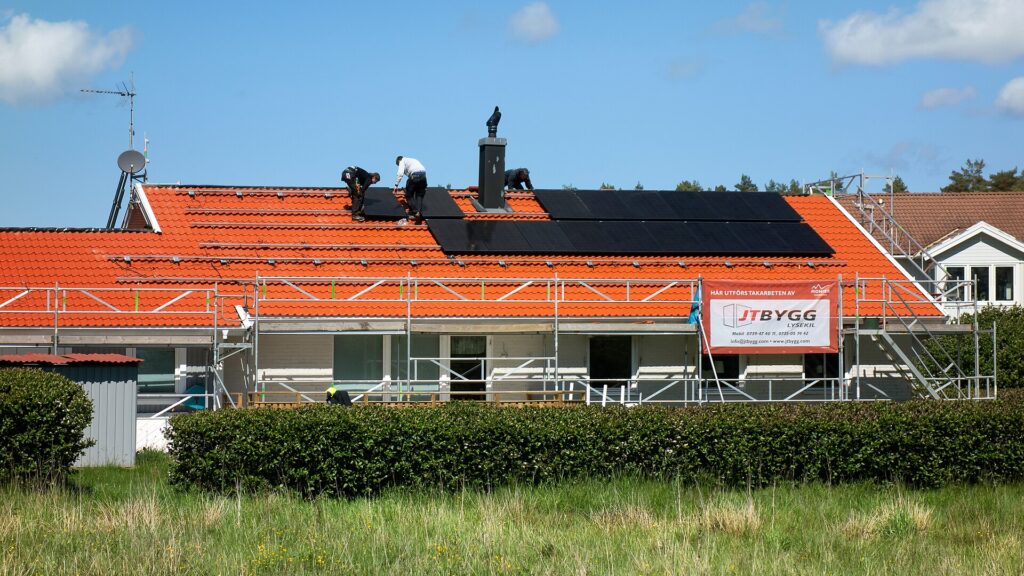
Safety warning: the aluminium frames and rails holding your solar panels sit just millimetres from cables carrying several hundred volts DC. If that cable insulation fails and the metalwork isn’t properly earthed, the frames can become live, the inverter’s built-in safety checks can’t work properly, and a fault can sit there unnoticed for months. Earthing and bonding is not an optional extra. It’s a core part of a safe, certified solar installation in Ireland.
Most people judge a solar installation by the panels and the inverter. The part that keeps you safe is the bit you never see: the earth connections that tie the metalwork on your roof back to your home’s earthing system.
This guide explains, in plain English, what earthing a solar PV system actually means, why it matters so much with modern inverters, what goes wrong when it’s skipped, and how to check your own system. Whether you’re getting solar fitted now or had it installed years ago, it’s worth five minutes of your time.
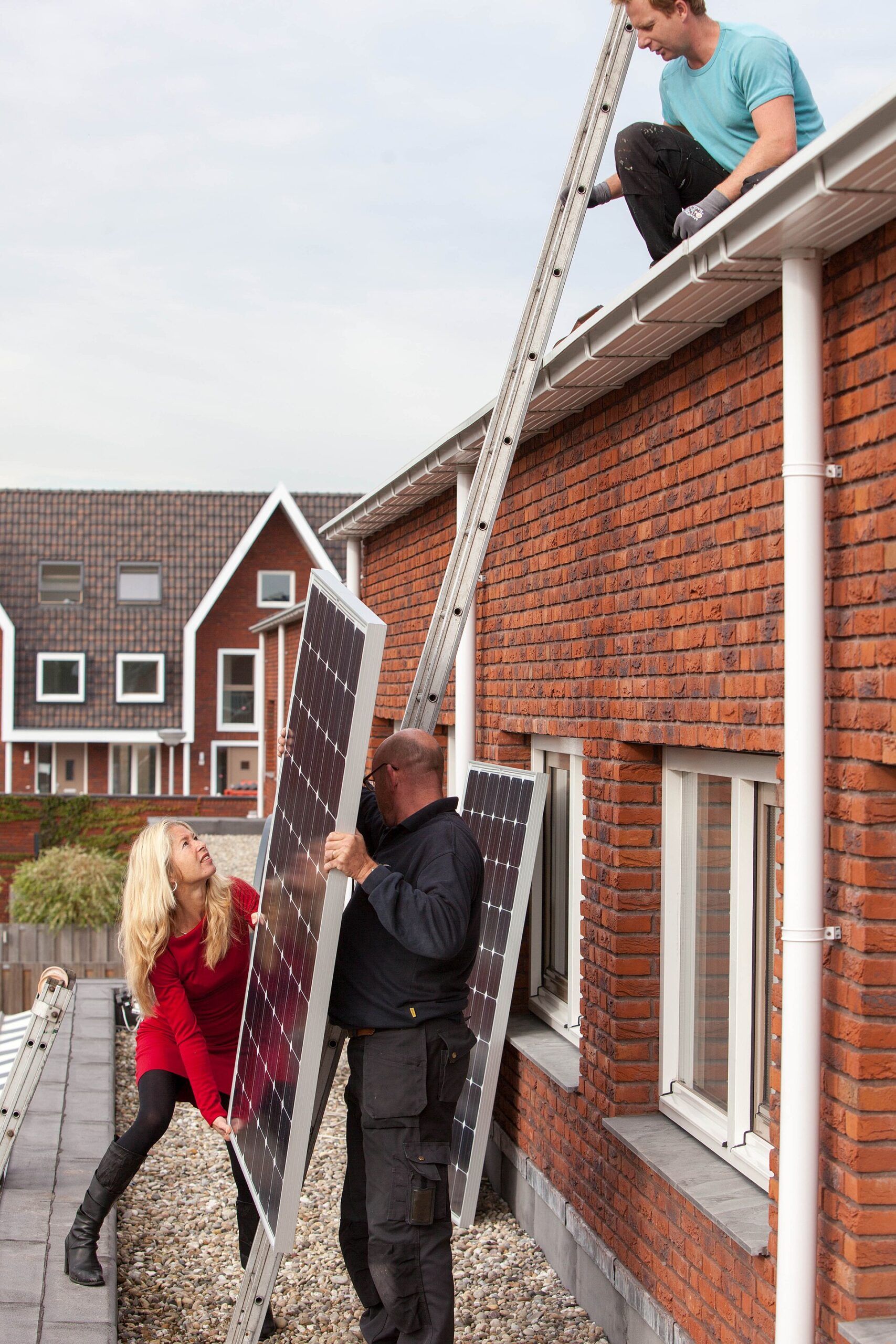
What “earthing your solar panels” actually means
A solar panel has two separate parts that people often confuse:
Free survey, grant check and a clear price with the grant already taken off.Check my savings
- The live DC circuit: the cells, the junction box and the positive and negative cables running to your inverter. On a typical Irish home system the string voltage can be 300 to 600 volts DC.
- The metalwork: the aluminium frame around each panel, plus the rails, hooks and clamps that hold it to your roof. None of this is meant to carry current. It’s “dead” metal, until something goes wrong.
When electricians talk about earthing your panels, they mean connecting that metalwork to your home’s protective earth. It does not mean connecting the positive or negative DC cables to earth. In fact, most modern inverter makers forbid that. Growatt’s manuals, for example, tell installers not to ground the DC side of its transformerless inverters and to ground only the panels’ mounting frame.
Three related terms you’ll hear:
| Term | What it does |
|---|---|
| Protective earthing | Gives fault current a safe, low-resistance path to earth so protection trips and metal you can touch doesn’t stay live. |
| Equipotential bonding | Ties separate metal parts together so they sit at the same voltage, so you can’t get a shock by touching two of them at once. |
| Functional earthing | An earth connection needed for equipment to work, such as the earth wire on a surge protection device. |
In practice, UK installer guidance under BS 7671 section 712 says all metal components in the mounting system, including the aluminium rails, hooks, brackets and panel frames, must be connected to the installation’s protective earth. Ireland’s wiring rules are built on the same European HD 60364 family of standards.
Why it matters so much with modern inverters
Older solar inverters had a transformer inside that physically separated the panels from the mains. Most inverters fitted in Irish homes today, including nearly all hybrid inverters, are transformerless. They’re lighter, cheaper and more efficient, but there’s no longer that physical barrier between your roof and the grid.
That has three important knock-on effects.
1. The inverter’s own safety checks rely on an earthed frame
Transformerless inverters protect you by constantly watching for leaks from the DC wiring to earth. They measure the insulation resistance of the array before they connect to the grid, and they watch for residual (leakage) current while running. If something is wrong, they shut down and show an error such as “PV ISO Low” or “insulation fault”.
Those checks need something to measure against. Surge protection specialist DEHN puts it bluntly in its white paper on rooftop PV: the insulation monitoring built into inverters is only permanently effective if the mounting system is connected to earth. If the frame is floating, a cable rubbing through onto the rail may not be detected at all.
2. Normal leakage can hide a dangerous fault
Every solar panel behaves a little like a capacitor: a big flat sheet of cells sitting beside a metal frame. With a transformerless inverter, that creates a small “normal” leakage current. Inverter maker SMA explains in its technical guidance on leakage currents that this current isn’t dangerous on its own, but it sits on top of any real fault current, such as someone touching a live conductor through damaged insulation, and can seriously hinder its detection. Proper earthing and bonding keeps that background current under control and gives a real fault somewhere to go.
3. Manufacturers tell installers to earth the frames
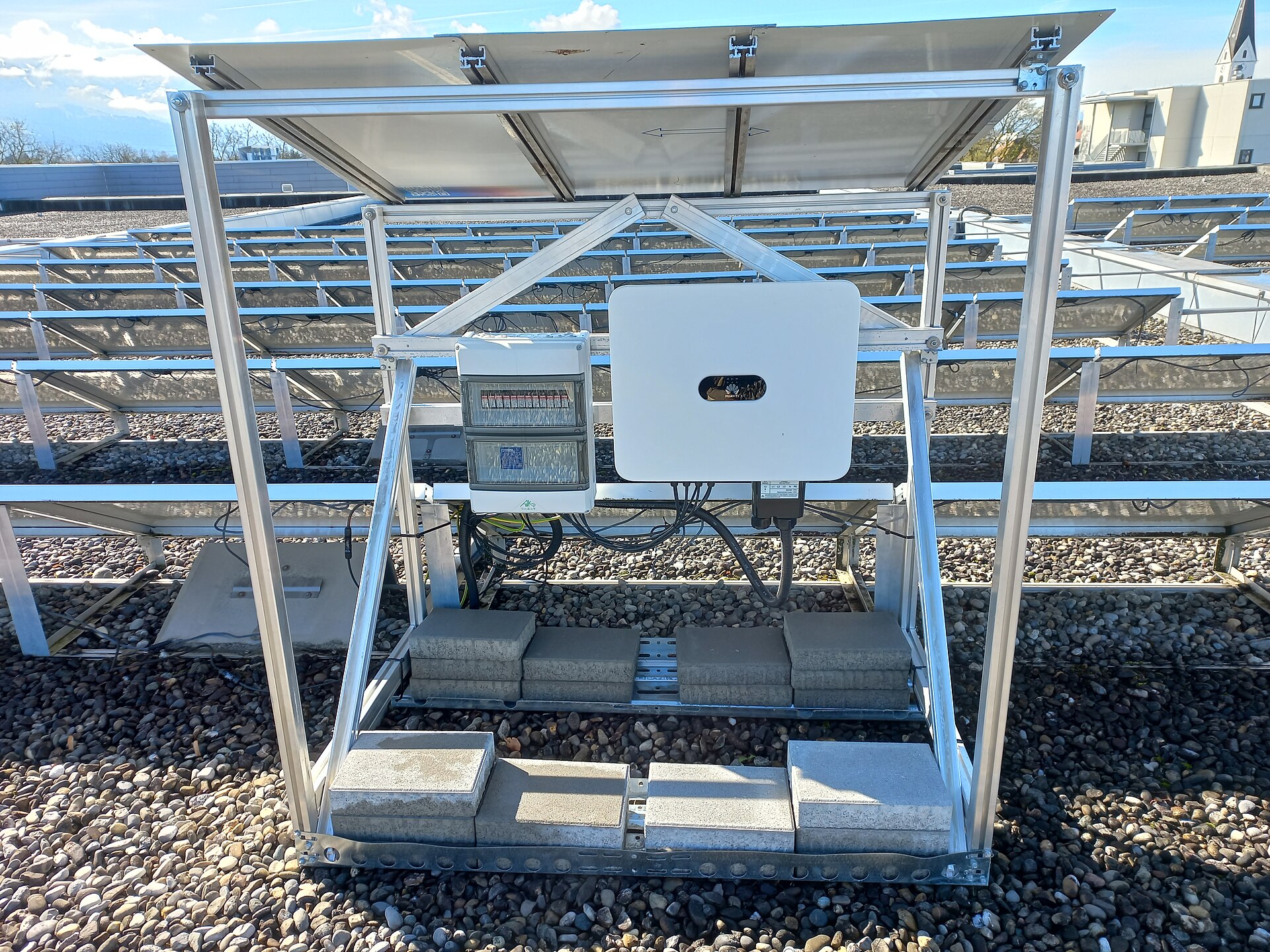
Check the manual for almost any transformerless inverter and you’ll find an instruction to earth the module frames. Viessmann’s inverter manual, for example, tells installers to ensure the panel frames and bracket system are securely grounded. Ignoring the manufacturer’s installation instructions can also put your inverter warranty at risk.
What goes wrong when panels aren’t earthed
Live frames and rails
DC cables on a roof live a hard life: wind, frost, UV, birds and constant expansion and contraction. Australian training body GSES lists wind movement causing wiring to rub against module frames or racking as a common cause of earth faults, and warns that even small faults can grow and, in the worst cases, create live exposed metal parts or fires.
If the metalwork is earthed, that fault is detected and the system shuts down. If it isn’t, the frame can sit at a dangerous voltage until someone touches it: a roofer, a window cleaner, someone repairing a gutter, or you, clearing leaves on a wet day.
Faults that turn into fires
An earth fault is effectively electricity going where it shouldn’t. GSES notes that an intermittent earth fault may turn into a hard earth fault over time, which is why they should always be investigated. Arcing at a fault point generates intense heat right beside cables, felt, timber battens and roof membranes. We covered the wider fire picture in which solar PV systems are most prone to fires.
Surge and lightning damage
Ireland doesn’t get much lightning compared with mainland Europe, but nearby strikes induce surges in long DC cable runs. Surge protection devices (SPDs) protect the inverter by diverting that surge to earth, so they’re only as good as their earth connection. Weidmüller’s PV earthing fact sheet explains that SPD earths and panel protective earths should be run separately and brought together at the main earthing point, with a minimum 6mm² earth cable for a Type 2 SPD and 16mm² for a Type 1.
Myth buster: earthing your panels does not “attract” lightning. DEHN states that a standard PV system does not increase the risk of a lightning strike on a building.
It’s the most common defect inspectors find
This isn’t a theoretical risk. When Australian regulator Energy Safe Victoria analysed solar audits, it found that the number one defect was inadequately earthed solar panels. Australia has one of the highest rates of rooftop solar in the world, so it’s a good warning of what happens when installs are rushed.
The rules in Ireland
Every electrical installation in Ireland must comply with I.S. 10101, the National Rules for Electrical Installations. The NSAI notes that these rules are recognised in common law as the state of the art and are the technical rules Registered Electrical Contractors must follow. The first amendment, I.S. 10101:2020+A1:2024, was published in September 2025.
For solar specifically:
- Only a Safe Electric Registered Electrical Contractor (REC) can do the electrical work. To install under the grant scheme, SEAI requires installers to hold a recognised solar PV qualification and be registered with Safe Electric.
- Your home’s existing earthing must be right first. In a 2024 technical bulletin to solar contractors, SEAI reminded installers of the bonding and earth electrode rules in I.S. 10101, and said that if an existing installation did not have correct earthing and bonding in place, including a “visible for inspection” earth electrode, this should be rectified before proceeding with the solar work.
- You must get certificates. SEAI’s grant paperwork requires a Safe Electric (RECI) completion certificate and an inspection, test and commissioning report to EN 62446, which records insulation resistance and earth continuity results.
Exactly how the array is earthed and bonded, including cable sizes, connection points and how it ties into your supply’s earthing arrangement, is a design decision your electrician has to make and stand over. That’s not something to DIY or leave to a roofer.
How a properly earthed solar system is put together
- Rails bonded to each other. Where rails are joined end to end, the splice must keep a reliable electrical connection, or each length needs its own earth link.
- Panels bonded to the rails. Panel frames are anodised, and that coating is an insulator. Proper earthing clamps or earthing washers have teeth that bite through it. The IAEI, a US electrical inspectors’ body, notes that an oxide layer builds up on exposed module frames over time, which is why a simple bolt or ordinary clamp isn’t good enough.
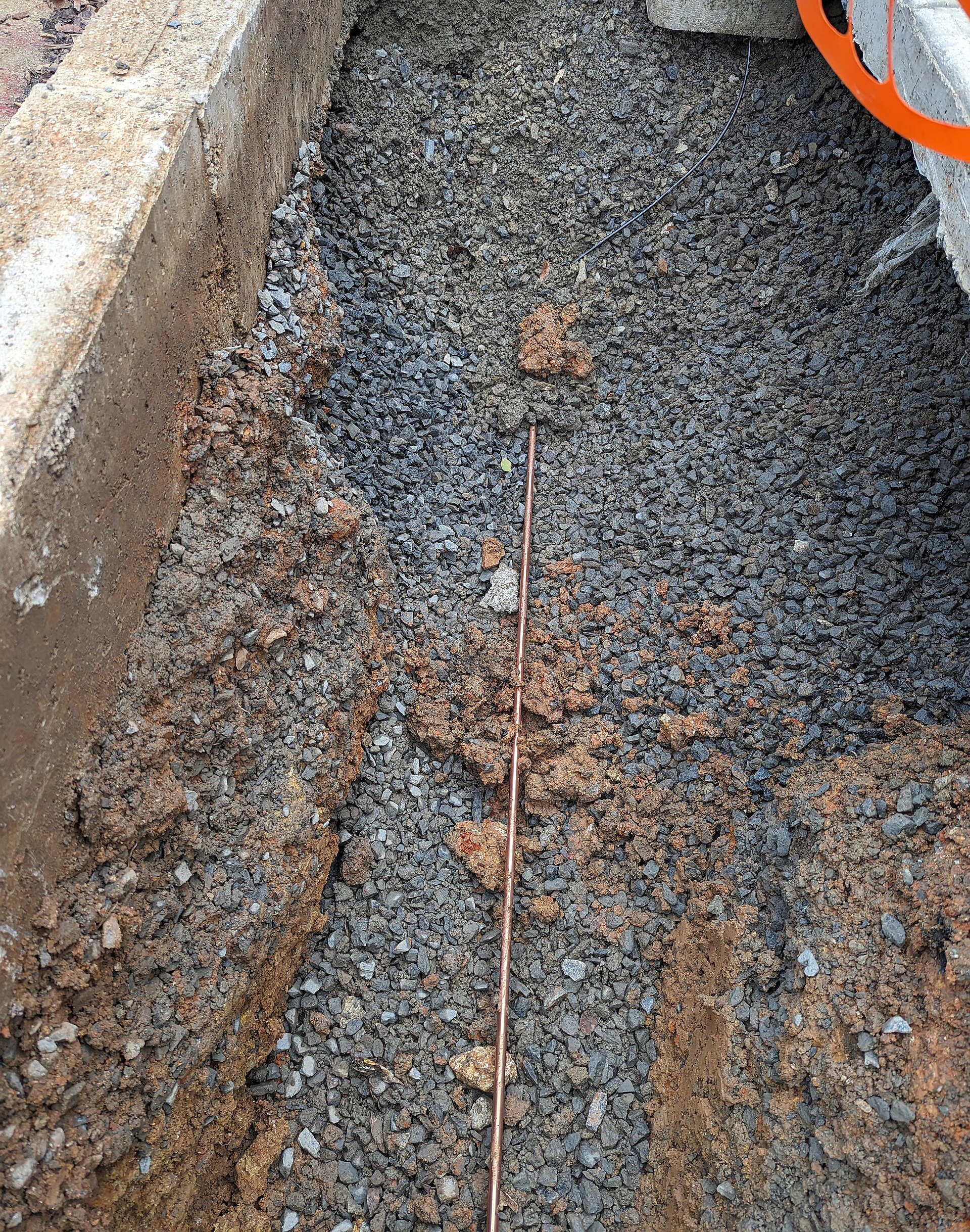
- An earth cable from the array. A suitably sized green and yellow cable runs from the rails down to the earthing point, using corrosion-proof connectors suitable for aluminium.
- Inverter, isolators and SPDs earthed. Metal enclosures and surge protection devices get their own earth connections.
- Everything tested and recorded. Earth continuity and insulation resistance are measured and written onto your commissioning report.
Warning signs your solar system may not be earthed properly
Call a registered electrician if you notice any of these:
- Your inverter shows an insulation, ISO or earth fault error, especially one that comes and goes with rain or dew.
- Your RCD or the solar breaker keeps tripping.
- Anyone feels a tingle or shock touching panel frames, rails, gutters or the inverter casing. Stop, keep everyone away and get it checked.
- You can’t see any green and yellow earth cable connected to the rails or inverter.
- You never received a Safe Electric certificate or test report.
- Earth connections on the roof look corroded, loose or green.
Never go onto the roof or open the inverter or isolators yourself. Panels produce voltage whenever there’s daylight, and switching off the inverter does not make the roof wiring dead.
Questions to ask your installer
- Are you a Safe Electric Registered Electrical Contractor, and who will sign the certificate?
- How will the panel frames and rails be earthed and bonded? What clamps or washers do you use?
- Does my existing earth electrode and bonding meet current rules, and will you test it first?
- Will I get the RECI certificate and an EN 62446 test report with insulation and earth readings?
- What surge protection is included, and how is it earthed?
For a wider checklist, see our guide to home solar safety checks to do before paying your installer, and our look at whether Copex conduit is safe on inverter connections.
Adding a battery? Earthing matters even more
Hybrid inverters with batteries, and especially systems that keep power running during a blackout, have to create their own earthing arrangement when they disconnect from the grid. When the house is running on battery in “island mode”, the normal grid earth reference has gone, so the design has to provide a safe alternative. That’s specialist work and another reason the installer must be properly qualified. Find out more on our solar battery storage page.
Frequently asked questions
Is it a legal requirement to earth solar panels in Ireland?
All electrical work must comply with I.S. 10101 and be certified by a Registered Electrical Contractor. The rules require exposed metalwork that could become live under fault conditions to be protected, and inverter makers instruct that the frames be earthed. In practice, a compliant, certified installation will have the array metalwork properly earthed and bonded, and you should expect to see it on your test report.
Can earthing my panels make lightning more likely to hit my house?
No. Earthing doesn’t attract lightning. It gives surge and fault currents a controlled path, which protects your inverter and your home.
Should the positive or negative solar cable be earthed?
Not with most modern transformerless inverters. Only the metalwork is earthed. Earthing a DC conductor on these inverters will usually cause an insulation fault and can damage the inverter.
My system was installed years ago. Should I get it checked?
Yes, especially if you’ve had a new inverter or battery added, a roof repair, or any inverter fault codes. Connections corrode and cables wear. A registered electrician can test earth continuity and insulation resistance on a typical home system fairly quickly.
Will an unearthed system affect my insurance or grant?
SEAI grants require a Safe Electric certificate and test report, and insurers generally expect certified, compliant work. A missing or failed earth is exactly the kind of defect that can cause problems with either.
Can I earth the panels myself?
No. In Ireland, this is controlled electrical work that must be carried out and certified by a Safe Electric Registered Electrical Contractor. Working on a solar roof also involves live DC and working at height.
Worried about your solar system?
Irish Wind & Solar designs and installs solar PV and battery systems to I.S. 10101, with full Safe Electric certification and test reports on every job. If you’d like your existing system looked at, or you’re planning a new one, get in touch with our team or book a free energy audit.
This guide is general information, not a substitute for advice from a Registered Electrical Contractor who has inspected your installation. Sources: SEAI Technical Bulletin 2024-04-001, SEAI Solar PV Scheme, NSAI, SMA, DEHN, Energy Safe Victoria, GSES, Weidmüller.