Balcony & Plug-In Solar Ireland (2026): Solar Options for Apartments and Flats
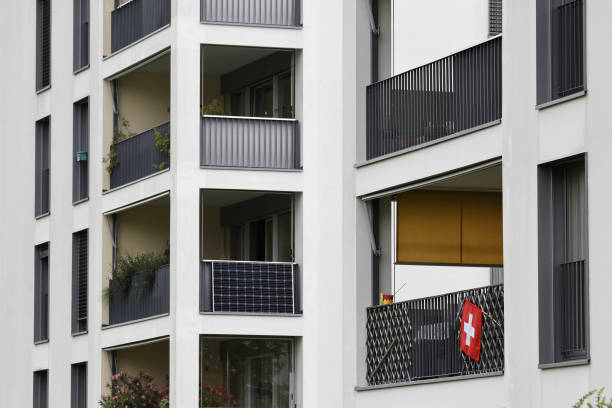
Quick answer: plug-in balcony solar (small kits of up to 800W that plug into a wall socket) isn’t legal to connect in Ireland yet, but ESB Networks supports it and the rules are being drafted. Looking for solar for apartments in Ireland, or solar for flats? You can still go solar today with a portable power station and folding solar panel, a properly installed small system, or a shared rooftop system on your block. Below I explain each one, what 800W plug-in solar will mean when it arrives, and how to get backup power for your apartment in a power cut.
What is balcony solar (plug-in solar)?
Balcony solar, also called plug-in solar, is a small kit of one or two solar panels with a micro-inverter. The panels clip to a balcony rail, wall or patio, and the inverter plugs into a normal socket. Your apartment uses that electricity first, so less comes from the grid and your bill drops.
Across Europe these kits are capped at 800W of output. Germany alone has more than 1.3 million registered plug-in systems, and plug-in solar became legal in Great Britain on 27 August 2026. As a rough guide, an 800W kit in Irish conditions might produce around 500 to 700 kWh a year, depending on which way it faces and how much shade it gets. That’s a useful saving for a flat, but far less than a rooftop system.
Is plug-in solar legal in Ireland?
Not yet. In Ireland, anything that feeds electricity into your home’s wiring is treated as microgeneration: it has to be installed by a registered electrician and notified to ESB Networks on the NC6 form. Plugging an inverter into a wall socket skips those protections, so it isn’t allowed.
Free survey, grant check and a clear price with the grant already taken off.Check my savings
That’s changing:
- In a Dáil answer on 28 July 2026, the Energy Minister said ESB Networks supports small plug-in solar or battery devices up to 800W AC, as long as they’re safe, meet product standards and ESB Networks can see what’s connected through a simple registration process.
- An ESB Networks-led working group, with the standards bodies, Safe Electric and the CRU, first met in June 2026 and was due to report to the Minister in September.
- The Minister has called plug-in solar a potential “game changer” for apartments and multi-unit developments.
No start date or plug-in grant has been announced. I’ll update this guide the day the rules are published. Until then, please don’t plug in an imported kit: as well as breaking the rules, it may not have the safety protection Irish wiring needs.
800W plug-in solar explained
The 800W figure is the maximum the inverter can push into your socket, not the size of the panels. Many kits use slightly bigger panels so they hit that 800W more often on dull days. Based on what ESB Networks has said, Ireland is likely to follow the European model:
- Up to 800W AC per home
- Certified kits only, with the right inverter safety protection
- A simple registration so ESB Networks knows what’s connected
When certified kits are allowed, I’d look for a reputable brand, a proper balcony mount rated for Irish wind, and a kit with a battery option so you can use your solar in the evening.
Solar for flats and apartments: your options today
| Option | Legal now? | Best for |
|---|---|---|
| Portable power station + folding solar panel | Yes. Nothing connects to your wiring. | Renters, small flats, backup in power cuts |
| Small system fitted by a registered installer | Yes, with NC6 notification | Owners with a suitable balcony, wall or roof space |
| Shared rooftop solar on the block | Yes, usually without planning | Owners’ management companies cutting common-area bills |
| Plug-in balcony kit (up to 800W) | Not yet. Rules being drafted. | Everyone, once allowed |
1. A portable power station with a folding panel
This is the option I recommend most to renters and apartment owners right now. A power station is a big rechargeable battery with normal sockets on it. You charge it from a folding solar panel on the balcony (or from the mains on cheap night rate), then run your fridge, router, laptop, TV or lights from it. Because it never connects to your home’s wiring, it’s legal today, you can take it with you when you move, and it keeps the essentials running in a power cut.
Irish Wind & Solar is an official BLUETTI partner in Ireland. See our BLUETTI Ireland page for the models we recommend for apartments.
2. A small system fitted by a registered installer
If you own your apartment and have a suitable balcony, wall or roof area, a registered installer can fit a small grid-connected system legally, notify ESB Networks and give you proper certification. Check your owners’ management company (OMC) rules first, especially for anything fixed to the façade.
3. Shared rooftop solar for the whole block
For many apartment buildings, the best-value option is a rooftop system that powers the common areas: lifts, hall lighting, pumps and car-park lights. That cuts everyone’s service charge, and most apartment roofs are covered by a planning exemption. Read our full guide to solar panels for apartment blocks in Ireland.
Backup power for apartments in Ireland
Storm Éowyn cut power to 768,000 homes and businesses in January 2025, and many apartment dwellers found they had no backup at all. A portable power station is the simplest fix: no installation, no fumes, and it switches on in your living room.
| BLUETTI model | Battery capacity | Roughly what it covers |
|---|---|---|
| Elite 100 V2 | 1,024Wh | Router, lights, phones and laptops overnight |
| Elite 200 V2 | 2,073.6Wh | Fridge, router and lights for around a day |
| Elite 300 | 3,014Wh | A small apartment’s essentials for a day or more |
| Apex 300 | 2,764.8Wh, expandable | Bigger apartments; add battery packs for longer outages |
Run times are estimates and depend on what you plug in. A fridge-freezer typically uses around 1 to 1.5kWh a day. Pair any of these with a folding solar panel and you can top up during a long outage. See will your solar battery work in a power cut? for more on blackout backup.
Is my balcony suitable for solar?
- Direction: south-facing is best; east or west works for part of the day; north-facing isn’t worth it.
- Shade: balconies above you, trees and nearby buildings cut output a lot.
- Permission: renters need the landlord’s OK for anything fixed to the building, and owners should check OMC rules on balconies and façades. A freestanding folding panel usually avoids this.
- Wind: anything mounted on a balcony rail must be properly secured for Irish storms.
Frequently asked questions
Can I put solar panels on my apartment balcony in Ireland?
Yes, but not as a plug-in kit into a wall socket yet. You can use a folding panel to charge a portable power station today, or have a registered installer fit a small grid-connected system if you own the apartment and your OMC agrees.
When will 800W plug-in solar be allowed in Ireland?
No date has been set. ESB Networks supports plug-in devices up to 800W with simple registration, and an ESB Networks-led working group is drafting the rules.
Is there a grant for balcony solar in Ireland?
Not at the moment. The SEAI solar grant is for registered installations, and no plug-in solar grant has been announced.
What’s the best backup power for an apartment in a power cut?
A portable power station such as a BLUETTI Elite 200 V2 or Elite 300, ideally with a folding solar panel. It runs your fridge, router and lights with no installation needed.
Can renters get solar in Ireland?
Yes. A portable power station with a folding panel needs no installation and moves with you, so it suits renters best.
Live in an apartment or flat?
Tell us about your space and we’ll recommend the right setup, from a BLUETTI power station to a full block rooftop system.
Get free advice or call 083 480 0023
Sources: Dáil written answer, 28 July 2026; Irish Times, 15 July and 25 September 2026; UK SI 2026/848 (plug-in solar legal in Great Britain from 27 August 2026); ESB Networks storm figures, January 2025. Output and run times are Irish Wind & Solar estimates. Updated November 2026.
Some links in this post are affiliate links. As an Amazon Associate we earn from qualifying purchases, at no extra cost to you.