Energy Prices in Ireland: Why Bills Keep Rising (2027 Outlook)
Quick answer: Yes – rising fuel prices are already pushing up Irish electricity bills. Gas made close to half of our electricity in 2025, so when Middle East disruption sent gas prices soaring, wholesale electricity jumped 92.8% in a year. Every major supplier raised prices in 2026, network charges rise until 2027, and Budget 2027 has no universal energy credits.
If your last electricity bill made you wince, you are not imagining it. Through 2026 Irish households were hit by price rises from Electric Ireland, SSE Airtricity, Bord Gáis Energy and Pinergy, and the reasons behind them have not gone away.
The short version: Ireland still runs a lot of its power stations on gas, and gas is priced on a world market that has been rattled by conflict in the Middle East. On top of that, we are paying to rebuild the grid, data centres are using a growing share of our power, and the Government has stopped handing out universal energy credits.
Here is what is actually driving energy prices in Ireland, what it could mean for 2027, and the practical steps that protect your home.
Free survey, grant check and a clear price with the grant already taken off.Check my savings
1. Gas still makes a huge share of Ireland’s electricity
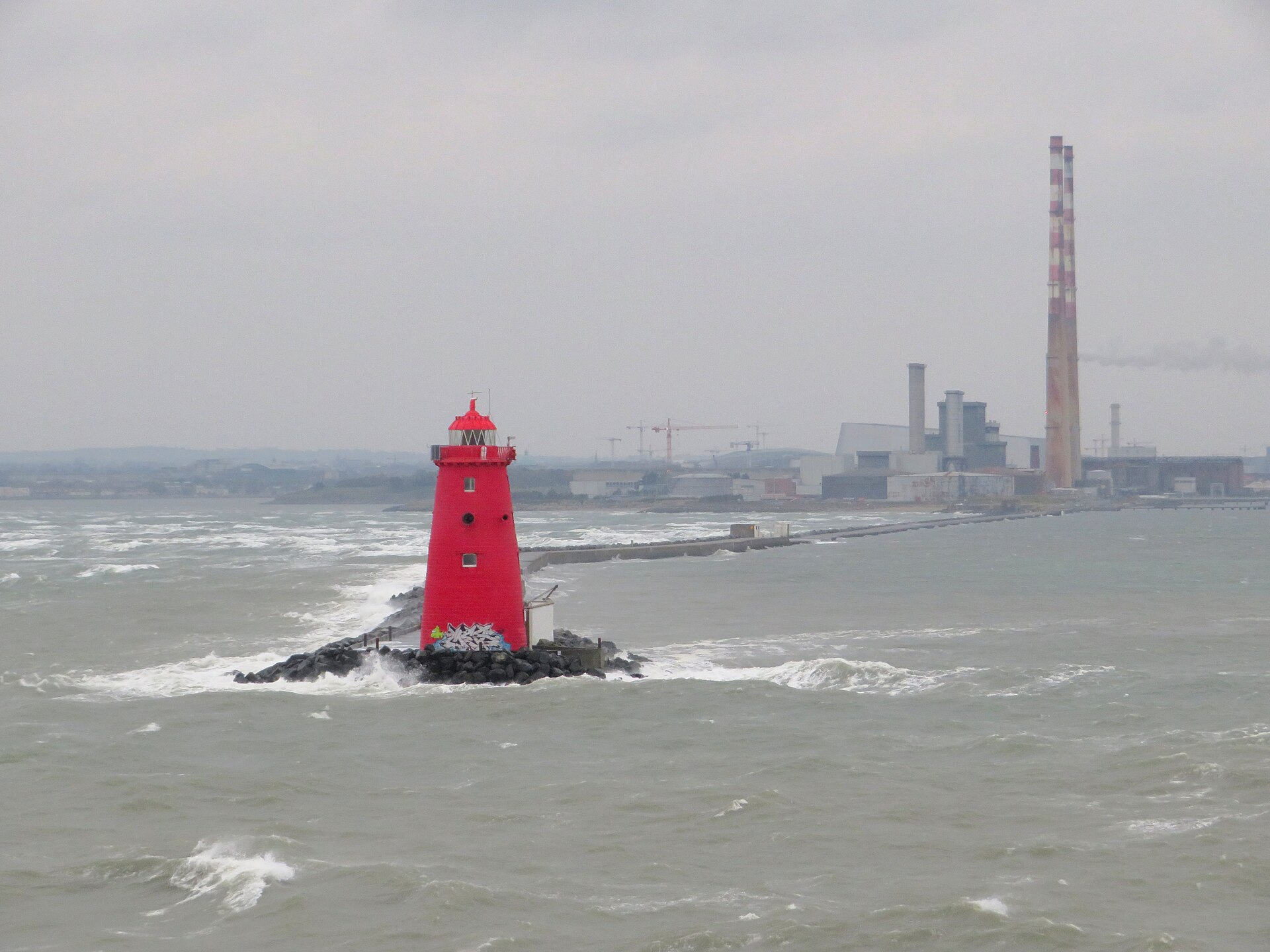
According to the Central Statistics Office, gas generated about 47% of Ireland’s electricity in 2025. Wind gave 40%, and solar about 4%. Around 17% of what we used came in through interconnectors as net imports.
That matters because of how the wholesale market works. Generators bid into the market, and the price is usually set by the most expensive plant needed to keep the lights on. On a calm, dark evening that is almost always a gas plant. So even when the wind is doing a lot of the work, the price of gas has an outsized say in the price of every unit you buy.
Energy consultancy Wood Mackenzie has said Italy and Ireland are likely to see the biggest hit to power prices under its extended-disruption scenario, because both depend so heavily on imported gas.
2. The Middle East and the Strait of Hormuz
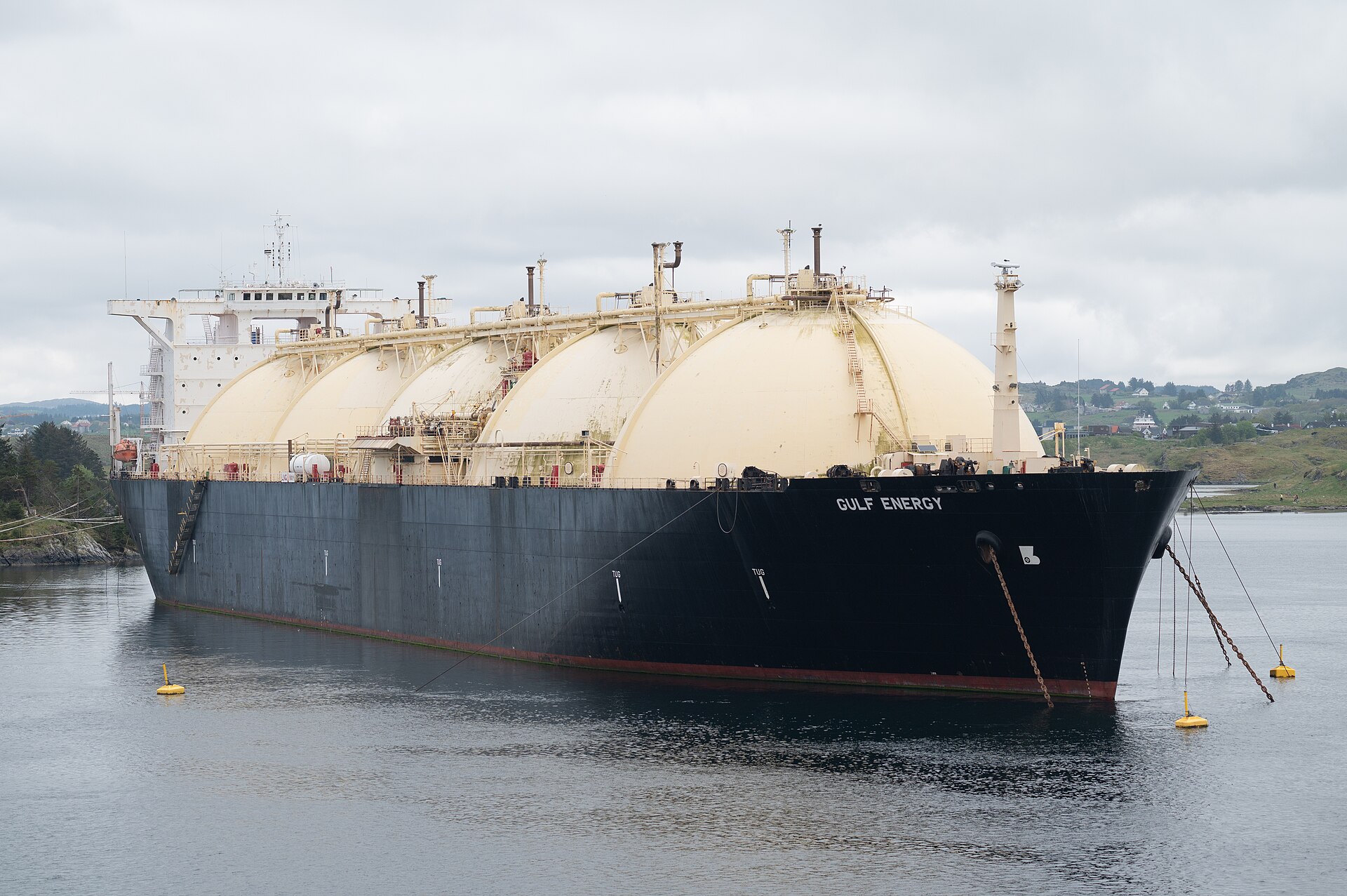
About a fifth of the world’s liquefied natural gas (LNG) passes through the Strait of Hormuz. When Qatar halted LNG production earlier this year, RTÉ reported that European gas prices jumped 46% in a single move.
Ireland mostly gets its gas by pipeline from Britain, not by tanker, so we are not directly short of supply. But we pay the same market price as everyone else in Europe. By 31 August 2026, the Dutch TTF benchmark for October delivery had reached €70.85/MWh, and Goldman Sachs warned prices could approach €100/MWh if disruption continued.
3. Wholesale electricity nearly doubled
The CSO’s Wholesale Price Index shows wholesale electricity prices rose 92.8% in the 12 months to September 2026. Suppliers buy power in advance, so these costs filter through to customers with a lag – which is why the price rise announcements came in waves through the summer and autumn.
Supplier price rises announced in 2026
| Supplier | Change | From |
|---|---|---|
| Electric Ireland | +8% electricity, +7.7% gas (24hr unit rate 38.04c/kWh incl. VAT) | 1 July 2026 |
| Pinergy | About €169 a year extra | September 2026 |
| Bord Gáis Energy | Price increase | 9 October 2026 |
| SSE Airtricity | About 10%, affecting around 296,000 customers | Autumn 2026 |
Electric Ireland’s rise was its first since October 2022, and the company pointed directly to the Middle East conflict. Bonkers.ie’s Daragh Cassidy told the Irish Examiner that higher wholesale costs were largely down to the same conflict.
4. Network charges: paying to rebuild the grid
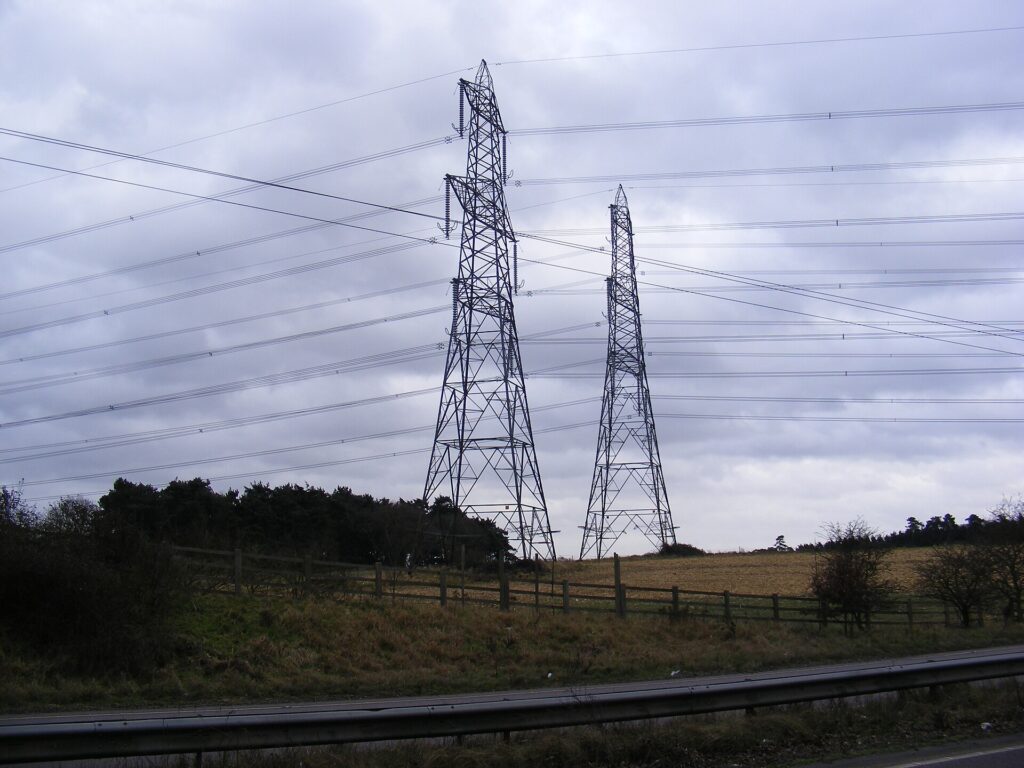
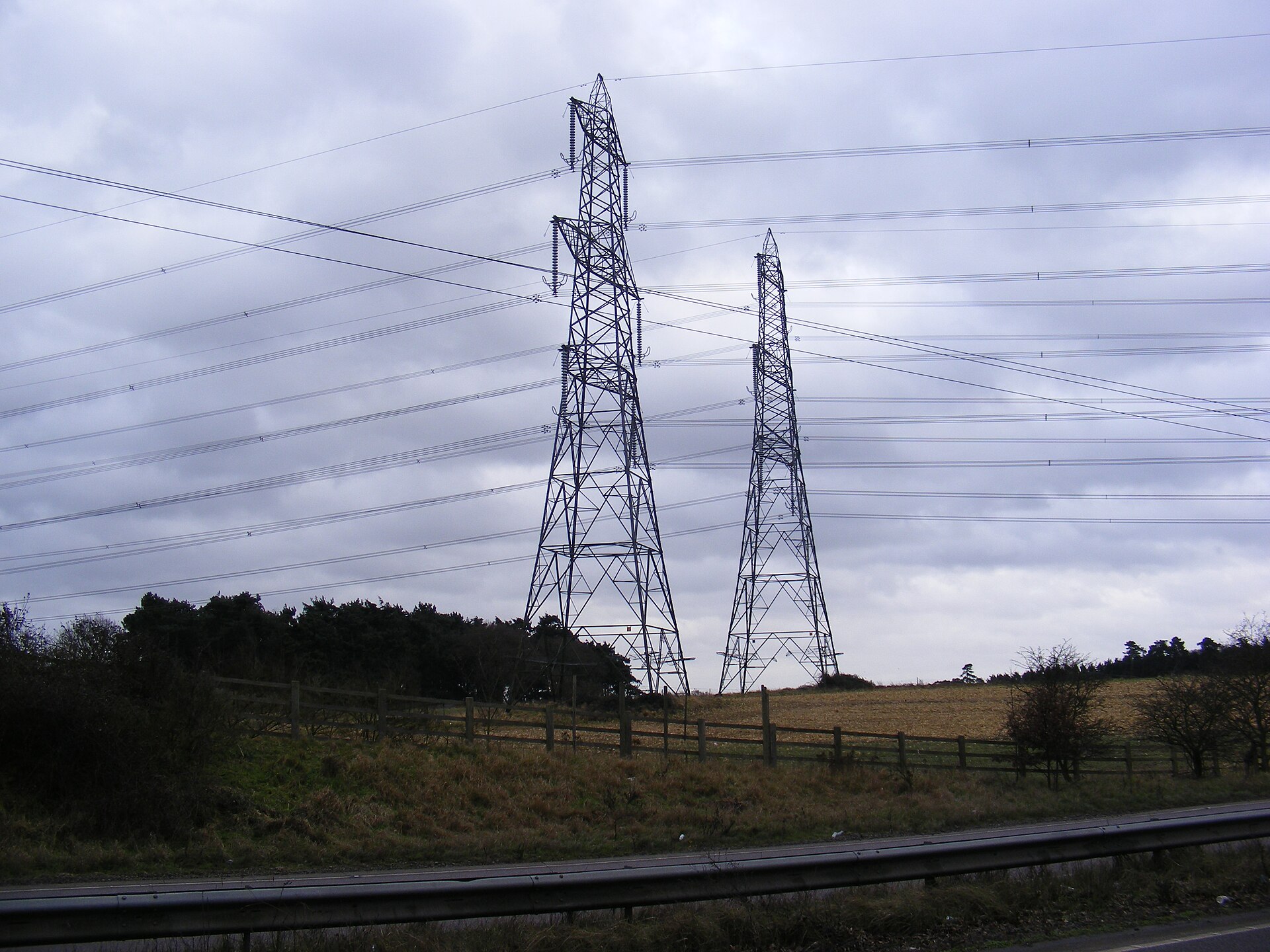
Not all of your bill is energy. A chunk pays for the poles, wires and pylons that bring power to your house. The Commission for Regulation of Utilities (CRU) has approved network charges that add about €3.44 a month, or €41.25 a year, to a typical household bill for 1 October 2026 to 30 September 2027.
This is part of the PR6 price review, which allows up to €18 billion of grid investment over five years. Distribution revenue is up 18.4% and transmission up 8.1%. That money pays for new connections, a grid strong enough for more renewables, and resilience against storms – but it is a cost that sits on every bill regardless of what happens to gas.
Worried about the grid itself? Read our guide to EirGrid alerts and blackout warnings.
5. The one piece of good news: the PSO levy
The Public Service Obligation (PSO) levy, which supports renewable and security-of-supply projects, fell by 66% to €0.51 a month (ex VAT) from 1 October 2026. Ironically, high wholesale prices are part of the reason: renewable projects need less top-up support when market prices are high. It helps, but it is small next to the increases above.
6. Data centres are taking a bigger slice
Data centres used 23% of all metered electricity in Ireland in 2025 (7,663 GWh), up from just 5% in 2015, according to the CSO. Forecasts suggest that could reach about a third by the end of the decade. More demand means gas plants are needed more often, and more grid investment is needed to serve it – both of which feed into prices.
7. No energy credits in Budget 2027
For several winters, universal electricity credits took the edge off bills. Budget 2027 did not include universal energy credits. It did cut carbon tax on home heating oil and gas, extend excise reductions and allocate €1.28 billion to energy and climate, but there is no blanket credit landing on electricity bills this winter.
The International Energy Agency already ranks Irish electricity prices among the highest in the world. Without credits, households feel the full price.
So will electricity prices go up again in 2027?
We will not pretend to know. What we can say:
- Locked in: higher network charges run to September 2027.
- Uncertain: unit rates depend mostly on wholesale gas, which depends on the Middle East. If shipping returns to normal, wholesale prices could ease and suppliers may have room to cut. If disruption drags on, more rises are possible.
- Long-term pressure: data centre demand and grid investment are not going away.
The honest takeaway: the bits of your bill you can’t control are mostly heading the wrong way, so it makes sense to work on the bits you can.
How to protect your home from rising energy prices
- Check your tariff. Compare suppliers using the CRU-accredited comparison sites, and look at whether a day/night or smart time-of-use tariff suits you. Our dynamic tariffs guide explains how they work.
- Move big loads to cheaper hours. Dishwashers, washing machines and EV charging all shift easily.
- Generate your own power. Every unit your solar panels produce and you use is a unit you do not buy at the market price. See our solar panel cost guide.
- Store cheap power. A home battery can store summer solar and cheap night-rate electricity in winter. Read more on solar battery storage.
- Use the grants. SEAI grants can reduce the upfront cost of solar and home upgrades – check SEAI grants and our solar grant explainer.
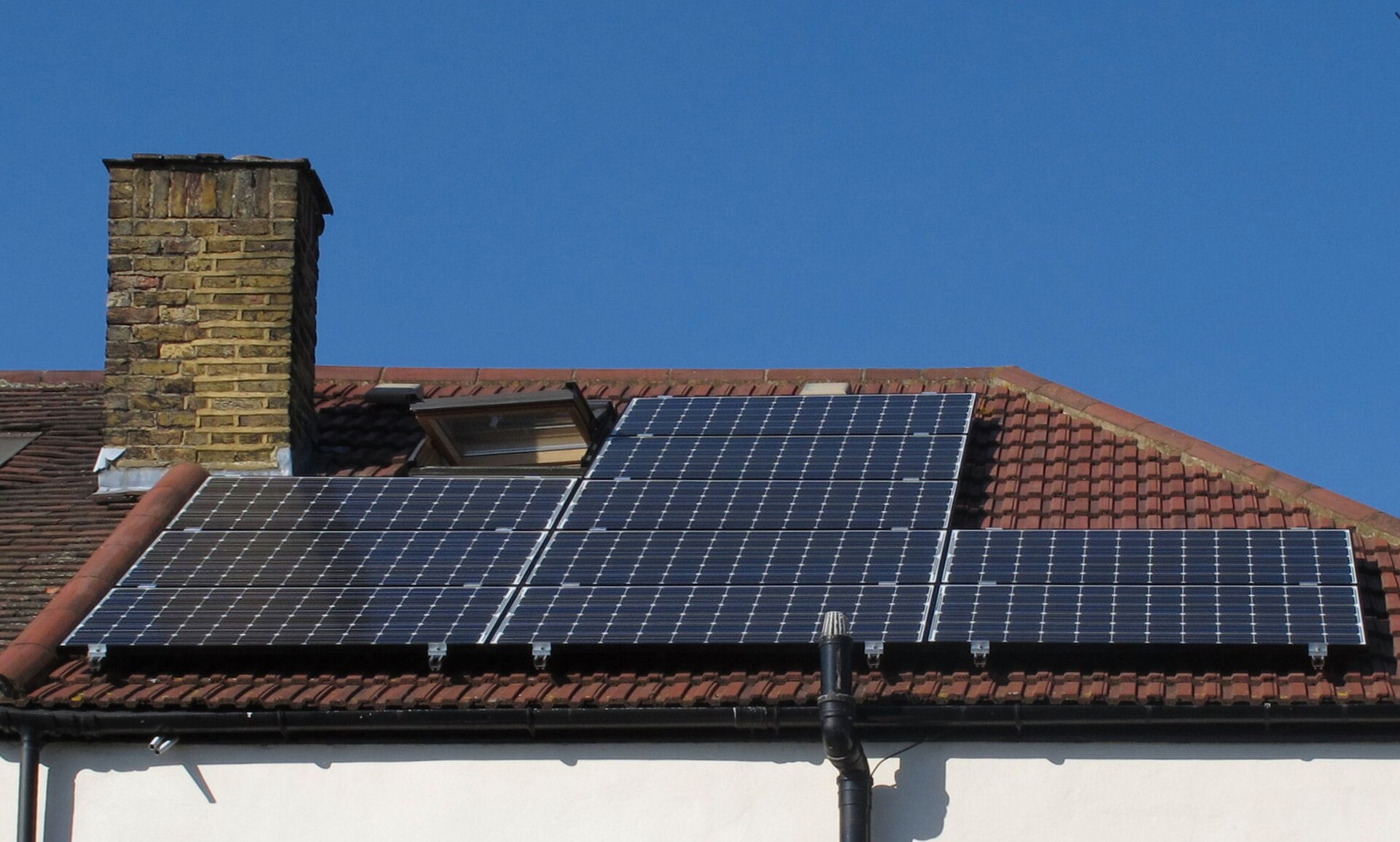
Savings from solar depend on your roof, your usage and your tariff, so we would always rather give you a real number for your home than a headline figure. If you are thinking about it, make sure your system is installed and earthed properly.
Frequently asked questions
Will electricity prices go up in Ireland in 2027?
Nobody can promise either way. Network charges are already locked in to rise until September 2027, and there are no universal energy credits in Budget 2027. Whether unit rates rise again depends mostly on wholesale gas prices, which are tied to the Middle East situation.
Why is Irish electricity so expensive?
Gas generated close to half of Ireland’s electricity in 2025, and in a market like ours the most expensive plant running usually sets the price. Add rising grid investment costs, fast-growing data centre demand and VAT, and Irish prices end up among the highest in the world.
Does the price of oil affect my electricity bill?
Indirectly. Oil itself makes very little Irish electricity, but the same Middle East disruption that pushes oil up also hits LNG shipping, and gas prices move with it. Gas is what sets most Irish wholesale power prices.
Is the PSO levy going up?
No – it is going down. The CRU cut the PSO levy by 66% to €0.51 a month (ex VAT) for households from 1 October 2026. It softens the blow but is much smaller than the other increases.
What is the best way to protect my home from rising electricity prices?
Start by checking you are on the best tariff for how you use power, then cut waste. After that, generating your own electricity with solar PV, and storing cheap night-rate power in a battery, reduces how many units you have to buy at whatever price the market sets.
Want to know what solar and a battery would do for your bill?
Irish Wind & Solar will look at your usage and give you an honest figure. Book a free energy audit or contact us.
Sources: Electric Ireland price announcement (28 May 2026); Bord Gáis Energy; Irish Examiner (SSE Airtricity, Bonkers.ie); Irish Times (Pinergy, 14 Aug 2026; network charges, 30 Jul 2026; gas share, 6 Mar 2026); CRU network charges and PSO levy decisions 2026/27; CSO Wholesale Price Index (via Farmers Journal, 27 Oct 2026); CSO electricity and data centre statistics (7 Jul 2026); RTÉ (2 Mar 2026); Euronews / Hellenic Shipping News (TTF prices); Wood Mackenzie; TheJournal.ie (IEA, Dec 2025); Roscommon People (Budget 2027).