
Panel Substitution by Installer in Ireland: Red Flag or Standard Practice in 2026?
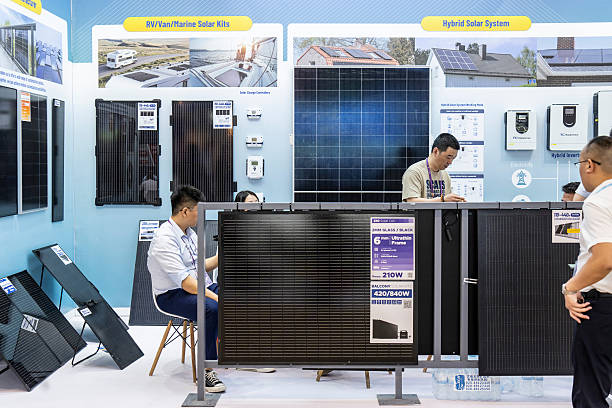
Introduction: When “Equivalent Panels” Become a Costly Surprise
As solar PV adoption accelerates across Ireland, homeowners are increasingly encountering a controversial issue: panel substitution by installers. In simple terms, this happens when a contractor installs solar panels different from those originally specified in the quote or system design—often without clear consent or explanation.
With Ireland’s solar capacity surpassing 2.3 GW by the end of 2025, supported by national programs from Sustainable Energy Authority of Ireland, demand for installations has surged. This rapid growth has also created pressure on supply chains and installer capacity, sometimes leading to inconsistent installation practices.
In some cases, substitutions are harmless—such as replacing a discontinued panel model with a technically equivalent alternative. But in other cases, homeowners discover lower-spec panels or unexpected changes only after installation.
So the key question is: is panel substitution by your installer a normal industry adjustment—or a serious red flag?
This guide from Irish Wind and Solar explains exactly what is acceptable, what is not, and how homeowners in Ireland can protect themselves before signing any solar PV contract.
Background: Why Panel Substitution Is Happening More Often in Ireland
Ireland’s solar market has expanded rapidly over the past few years.
Key Market Pressures
- Supply chain fluctuations across EU solar imports
- Rapid demand growth from SEAI grant-supported installations
- Installer backlog due to record rooftop solar uptake
- Manufacturer model updates and discontinuations
- Pricing volatility in solar PV modules
With rooftop solar now exceeding 1 GW installed capacity, installers are often working under tight delivery schedules.
Standard Solar System Expectations
A properly specified solar PV installation should include:
- Exact panel make and model
- Guaranteed wattage output per panel
- Efficiency rating
- Warranty terms (typically 20–25 years)
- Inverter compatibility matched to system design
Any deviation from this should be clearly documented and approved in advance.
What Is Panel Substitution in Solar Installations?
Panel substitution occurs when an installer:
- Replaces the specified solar panel with another model
- Uses “equivalent” or “similar” panels without approval
- Switches brands due to supply issues
- Alters system design during installation
Acceptable Substitution (Normal Practice)
Substitutions can be acceptable if:
- The original panel is discontinued
- There is a verified supply shortage
- The replacement is equal or better in specification
- Written homeowner approval is obtained
Unacceptable Substitution (Red Flag Behaviour)
Warning signs include:
- No notice of changes
- Lower wattage panels installed
- Unbranded or unknown modules used
- Verbal-only approval
- Post-install discovery of changes
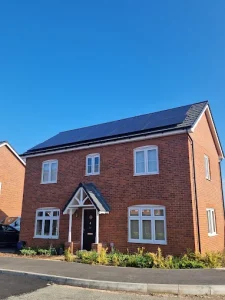
Red Flags: How to Spot Problematic Installer Behaviour
1. “Equivalent or Better” Without Proof
If an installer claims equivalence but cannot provide datasheets, this is a concern.
2. Missing Updated Documentation
A legitimate change must include:
- Revised system design
- Updated datasheets
- Written approval from the homeowner
No paperwork = high risk.
3. Lower Efficiency Panels
Even small reductions in efficiency can impact long-term performance:
- Reduced annual energy yield
- Lower lifetime output
- Reduced return on investment
4. Brand Switching Without Consent
Some installers may switch from Tier-1 brands to lower-grade alternatives without informing the customer.
5. Post-Installation Discovery
Finding out after installation indicates:
- Poor transparency
- Weak quality control
- Potential contractual issues
When Panel Substitution Is Actually Acceptable
Not all substitutions are problematic.
Legitimate reasons include:
- Manufacturer discontinuation
- Supply shortages
- Approved technical upgrades
- Grid compliance adjustments
The key requirement is always clear communication and written consent.
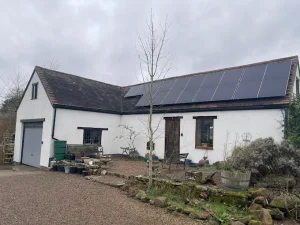
Technical Impact: Does It Affect Performance?
Yes—depending on what is substituted.
Possible impacts include:
- Reduced energy generation
- Mismatch with inverter optimisation
- Lower system lifespan efficiency
- Potential warranty complications
Even small differences compound over a 20–25 year system lifespan.
How to Protect Yourself Before Installation
1. Request Full Panel Specifications
Ensure you receive:
- Brand
- Model number
- Wattage
- Efficiency rating
- Warranty terms
2. Lock the Bill of Materials (BOM)
Your contract should clearly state that the system components cannot be changed without written approval.
3. Require Written Consent for Any Change
All changes must be:
- Documented
- Approved in writing
- Added as a contract amendment
4. Choose Certified Installers
Work only with installers aligned with industry standards and compliant with SEAI guidance.
5. Request Post-Installation Verification
After installation, request:
- Serial numbers of panels
- As-built system diagram
- Commissioning report
How Irish Wind and Solar Ensures Transparency
Irish Wind and Solar maintains strict installation standards to ensure:
- Fixed system design before installation begins
- Tier-1 component selection only
- No substitutions without written customer approval
- Full documentation transparency
- Post-install system verification
This ensures customers receive exactly what was agreed—no unexpected changes.
Internal Guidance From Our Solar Expertise
- As outlined in our guide to solar PV installation standards in Ireland, system transparency is essential for long-term performance.
- In our analysis of Ireland’s solar growth surge in 2026, we highlight how rapid expansion can increase installer variability.
- Our SEAI compliance guide explains why documentation is critical for grant eligibility.
- We also explore how system design accuracy directly impacts long-term solar ROI in Ireland.
- Finally, we examine why component matching is essential in modern hybrid solar systems.
Conclusion: Red Flag or Standard Practice?
Panel substitution is not automatically a red flag—but lack of transparency always is.
In Ireland’s fast-growing solar industry, reputable installers will always:
- Communicate changes clearly
- Provide technical justification
- Obtain written approval
- Maintain system performance integrity
Anything less should be treated with caution.
For homeowners considering solar PV or reviewing an existing installation, Irish Wind and Solar provides system assessments to ensure installations match what was originally agreed.
Contact Irish Wind and Solar for a transparent solar consultation and system review.


Jeff