Huawei FusionSolar 9.0: Big Launch, Bigger Questions – What It Means for Irish Solar Buyers
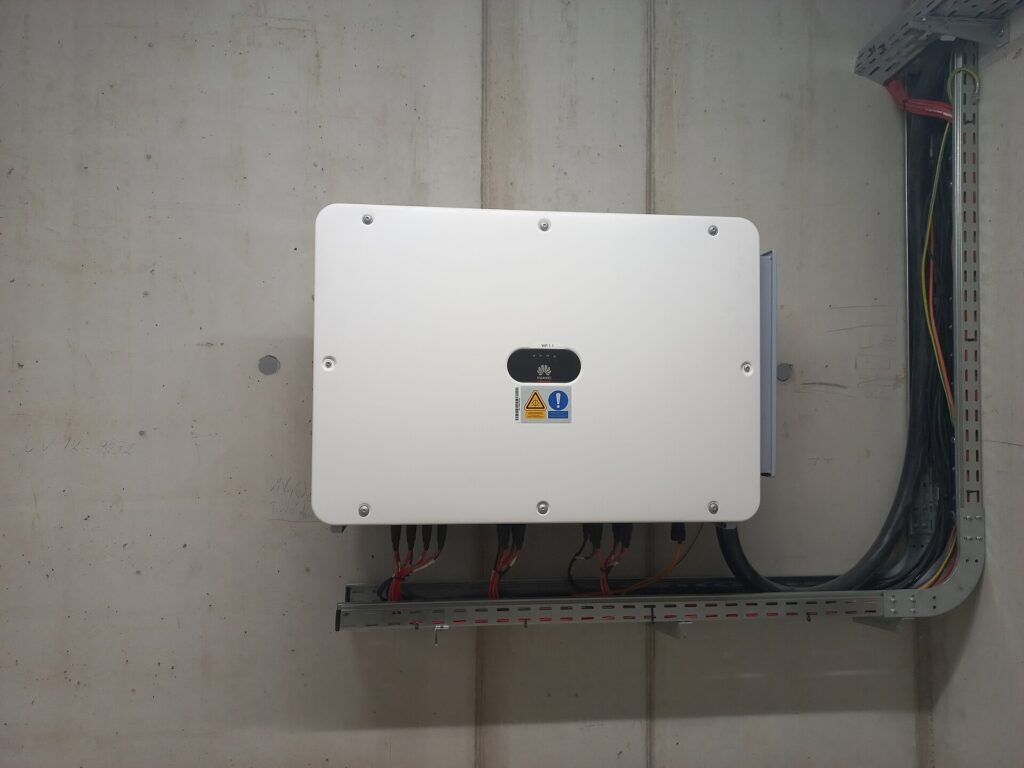
Quick answer: Huawei FusionSolar 9.0 is a platform for large utility-scale solar farms, launched in Europe in April 2026. It isn’t a new home inverter. Huawei never left the Irish market and is already one of its biggest inverter brands. The bigger news for buyers is the EU’s crackdown on “high-risk” Chinese inverters in EU-funded projects, which started on 1 November 2026.
Huawei’s FusionSolar 9.0 has been getting plenty of attention online, with claims that it’s an AI-powered “comeback” that could shake up solar in Ireland. So what’s actually been launched, who is it for, and should Irish homeowners care?
We’ve gone through Huawei’s own launch material and the latest European news to separate the facts from the hype.
What is Huawei FusionSolar 9.0?
FusionSolar 9.0 is Huawei Digital Power’s newest “smart PV” platform for utility-scale solar farms. According to pv Europe, it was launched for the European market on 29 April 2026 in Frankfurt and is aimed at utilities, project developers and plant operators. Huawei says it has been deploying the platform in China since October 2024, with more than 10GW of projects using it under construction worldwide.
We supply and fit batteries and inverters across Ireland, with the €600 SEAI battery grant (5kWh or more) handled for you.Battery storage & the €600 grant
The headline hardware, according to Huawei’s launch announcement, is:
- The SUN2000-506KTL smart string inverter, rated at more than 500kW. For comparison, a typical Irish home inverter is 3–6kW.
- Smart Transformer Stations in 3,000, 7,000 and 11,000kVA sizes.
- A 1,000V AC system design, up from the 800V AC used on earlier large plants.
- What Huawei calls the world’s first grid-forming string inverter.
- Upgraded DC safety protection with millisecond-level disconnection, plus improved cooling and power electronics.
In short, this is kit for solar farms of tens or hundreds of megawatts, not for your roof.
What does “grid-forming” mean?
Most solar inverters are “grid-following”: they wait for the grid to set the voltage and frequency, then feed power in. A grid-forming inverter can help set and steady the grid itself, a job traditionally done by big spinning generators in gas, coal and hydro stations. As grids like Ireland’s run on more and more wind and solar, grid-forming capability matters for stability. Huawei claims its system responds to grid events within 10 milliseconds, roughly three times faster than grid-following inverters.
Does FusionSolar 9.0 bring AI arc-fault protection and I-V curve diagnostics?
You may have read that FusionSolar 9.0 “integrates AI-powered arc-fault protection, automated I-V curve diagnostics and cloud-based energy scheduling”. Those features are real, but they’re not new to 9.0, and Huawei’s European launch announcement doesn’t present them as its headline features.
Huawei has offered AI-based arc-fault detection (AFCI) and “Smart I-V Curve Diagnosis” for years. Back in 2020, it was already promoting AI-based AFCI on residential inverters, which learns from a database of arc patterns to spot dangerous faults. Its current product range lists “AI powered arcing protection” on inverters sold in Ireland and Smart I-V curve diagnosis on its commercial and utility models.
- AFCI (arc-fault circuit interrupter) spots the electrical signature of an arc, such as a loose connector or damaged cable, and shuts the system down before it can start a fire.
- I-V curve diagnosis scans each string of panels to find underperforming or faulty modules without anyone going onto the roof.
Both are genuinely useful safety and maintenance features. But if you’re comparing home inverters, they aren’t a reason to wait for “9.0”. Many brands now offer arc-fault protection, and you should ask your installer whether the inverter they’re quoting includes it.
Is Huawei making a comeback in Ireland?
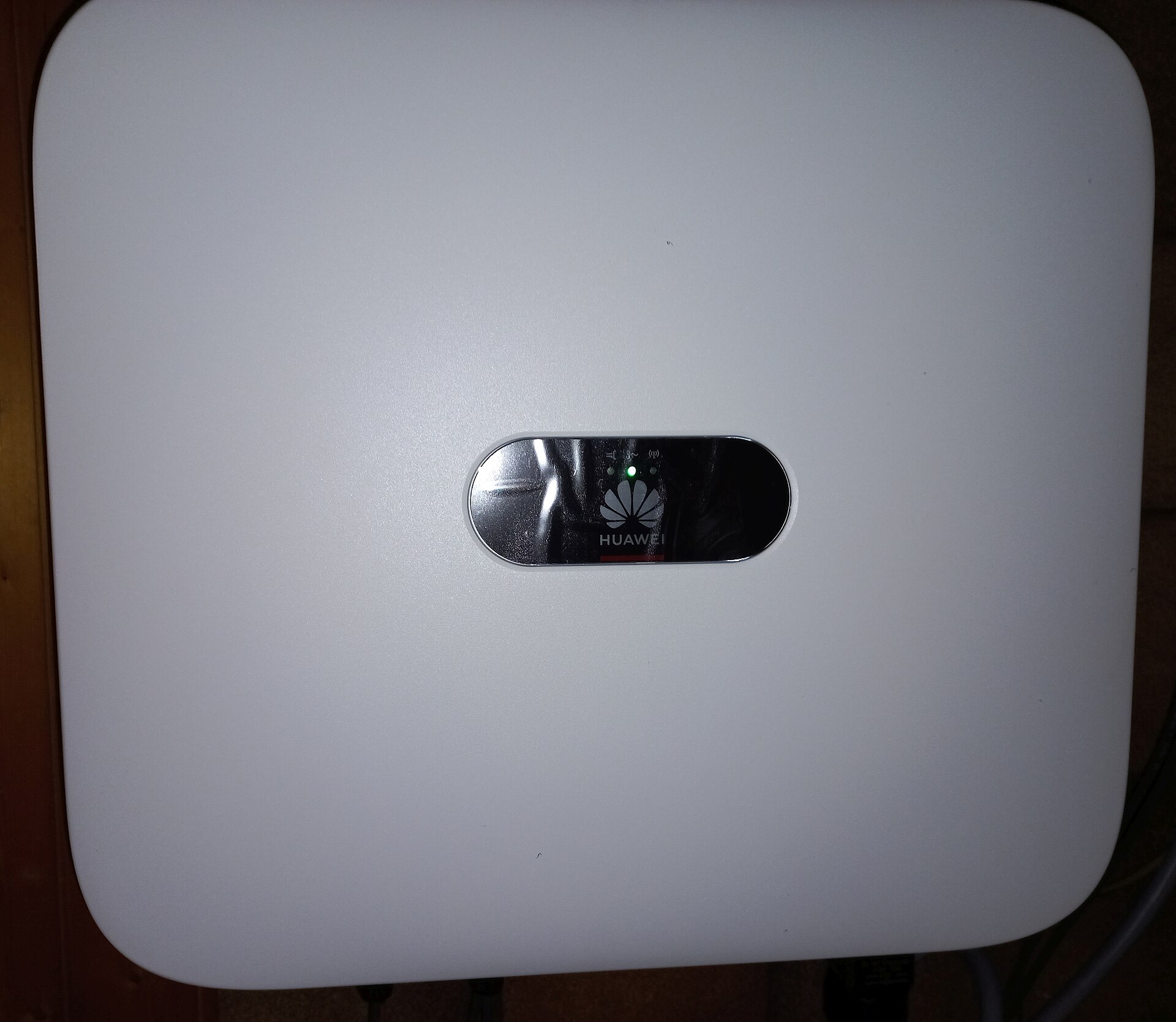
Not really, because it never left. Huawei is the world’s largest solar inverter maker, and its SUN2000 inverters and LUNA2000 batteries are a common sight on Irish homes. Huawei itself says its residential inverters have an established position in Ireland’s residential sector.
Across Europe the picture is similar. A letter from MEPs claimed Huawei alone supplied 115GW of inverters to Europe in 2023, and Reuters reported that Chinese manufacturers, led by Huawei and Sungrow, supplied about 70% of Europe’s inverters in recent years.
So FusionSolar 9.0 isn’t Huawei returning. It’s Huawei trying to hold on to the big solar-farm market in Europe at a time when that market is turning against it.
What is the EU’s ban on “high-risk” inverters?
This is the part of the story that could genuinely shake things up. In spring 2026 the European Commission moved to stop EU funding, including money from the European Investment Bank, going to solar, wind and battery projects that use inverters from “high-risk” countries: China, Russia, Iran and North Korea. That puts Huawei and Sungrow, the two biggest suppliers, squarely in the frame.
The concern is cybersecurity. Modern inverters are connected to the internet, and the fear is that a manufacturer or hacker could remotely change settings or switch large numbers of them off, destabilising the grid. In September, Euronews reported that the Commission refused industry calls for more time and stood by its 1 November 2026 deadline. From that date, EU-funded projects have to exclude high-risk suppliers or progressively switch to other inverters.
Huawei has repeatedly denied that its equipment poses any security threat and says its inverters meet all cybersecurity requirements.
Does the EU ban affect Irish homeowners?
Not directly, as things stand. The rule is a funding restriction, not an import ban. As one analysis put it, projects using inverters from high-risk countries simply won’t receive EU funding. It applies to projects financed through EU instruments, which mainly means large solar farms and storage projects. It doesn’t stop you buying a Huawei inverter for your home or getting it installed.
That could change. Some MEPs are pushing for wider restrictions, and countries including Lithuania have already acted on Chinese inverters. Commentators expect investors, banks and grid operators to treat the EU rule as a benchmark, so it’s worth keeping an eye on.
Could FusionSolar 9.0 shake up the Irish solar market?
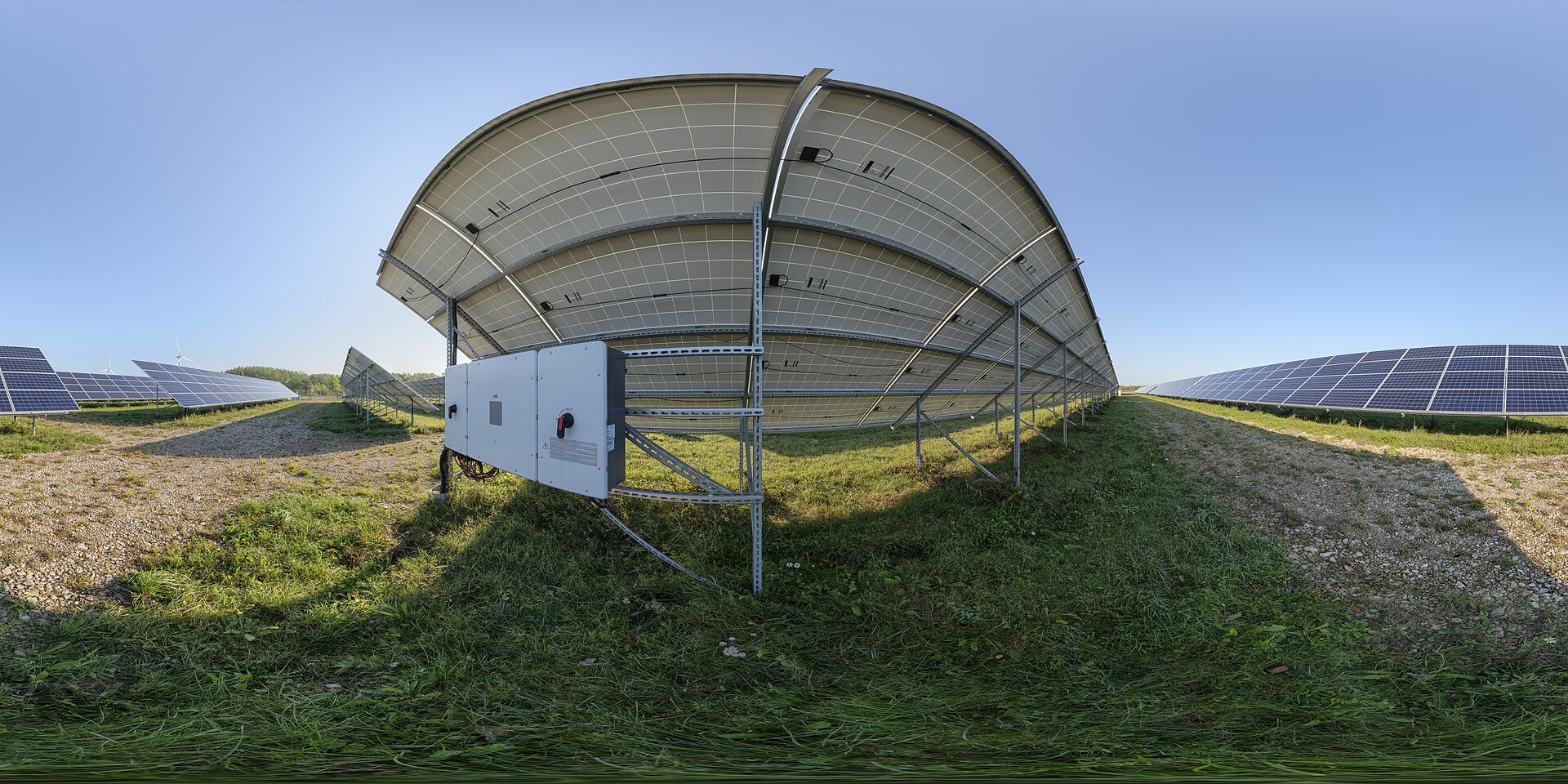
For Irish homes, probably not much. FusionSolar 9.0 is about utility-scale plants, and its features don’t change what’s available for a typical 4–6kW rooftop system.
For larger Irish solar farms, it’s more complicated. The technology is impressive, especially grid-forming, which is valuable on an island grid with lots of wind. But any developer counting on EU-backed finance now has a strong reason to choose a supplier that isn’t considered high-risk. European makers such as SMA expect to win market share as a result.
The real shake-up isn’t Huawei’s new product. It’s the growing pressure on all Chinese inverter brands in Europe, which together make up most of what’s installed here.
What should you do if you already have a Huawei inverter?
Don’t panic. There’s no recall and no instruction from Irish authorities to remove Huawei inverters from homes. Your system will keep working as normal. Some sensible steps for any internet-connected inverter, whatever the brand:
- Change default passwords on the inverter, dongle and monitoring app.
- Keep firmware updated through your installer or the app.
- Put the inverter on a separate Wi-Fi network (a guest network) rather than the one your computers and phones use.
- Ask your installer who can access your system remotely, and turn off remote access you don’t need.
Which inverter should I choose for a new solar system in Ireland?
The right inverter depends on your roof, your electricity use and whether you want a battery now or later. Things to weigh up:
- Safety features, such as arc-fault protection and rapid shutdown.
- Battery compatibility and backup power during power cuts.
- Warranty length and how good local support is.
- Cybersecurity: how the monitoring works, where your data goes, and whether the brand publishes security updates.
Compare options in our reviews of the Solis S6 hybrid inverter, GoodWe vs SAJ hybrid inverters and the Sigenergy SigenStor Neo, or read our guide to solar battery storage. Whatever you choose, make sure it’s installed and earthed properly: see why you must earth your solar panels.
Frequently asked questions
Can I buy FusionSolar 9.0 for my house?
No. FusionSolar 9.0 is Huawei’s platform for large utility-scale solar farms. Huawei’s home products are the SUN2000 inverter range and LUNA2000 batteries.
Are Huawei inverters banned in Ireland?
No. There’s no ban on buying or installing Huawei inverters in Irish homes. The EU rule that took effect on 1 November 2026 stops EU funding going to projects that use inverters from high-risk countries. It mainly affects large, EU-financed energy projects.
Is my Huawei inverter safe to use?
Electrically, yes, if it was installed and certified properly. The debate is about cybersecurity and remote access at grid scale. Following basic security steps, such as changing passwords, updating firmware and using a separate network, reduces the risk for any brand.
Will I still get the SEAI grant with a Huawei inverter?
We’re not aware of any change to SEAI’s domestic solar grant rules because of the EU funding restriction. Always confirm current eligibility with SEAI and your installer before you sign up.
Does Huawei have AI arc-fault protection?
Yes. Huawei has offered AI-based arc-fault detection on its home and commercial inverters for several years. It isn’t a new FusionSolar 9.0 feature.
Not sure which inverter is right for you?
Irish Wind & Solar can talk you through the options, including battery-ready and backup-capable systems, with full Safe Electric certification. Get a free quote.
Sources: Huawei Digital Power, pv Europe, Euronews, ESS News, Reuters, PV Tech.