Battery Backup Gateway in Ireland: Why You Need an Isolator Switch in the Meter Cabinet
Quick answer: a battery backup gateway (such as a Tesla Backup Gateway or Sigenergy Gateway) is wired in between your ESB meter and your fuse board. To fit it safely, your installer needs to be able to switch off the supply at the meter. Modern ESB smart meters don’t have a built-in isolator, so you need an isolator switch in the meter cabinet. No isolator usually means waiting for ESB Networks to come out and pull the main fuse, which can delay your install by weeks.
What is a battery backup gateway?
A home battery on its own shuts down in a power cut, by law, to protect ESB crews working on the lines. A backup gateway (or automatic changeover) fixes that. When the grid fails, it disconnects your home from the network in a fraction of a second and lets the battery and solar run the house on their own (called island mode). ESB Networks allows this, but only with proper switching that breaks the connection to the mains, as set out in the National Wiring Rules.
Some all-in-one systems, like the GoodWe ESA, have the backup switching built in. Others, like the Tesla Powerwall and many Sigenergy setups, use a separate gateway box.
Where the gateway goes, and why the meter cabinet matters
A typical Irish supply runs like this:
We supply and fit batteries and inverters across Ireland, with the €600 SEAI battery grant (5kWh or more) handled for you.Battery storage & the €600 grant
- ESB Networks cut-out and main fuse (ESB’s equipment)
- Your ESB meter
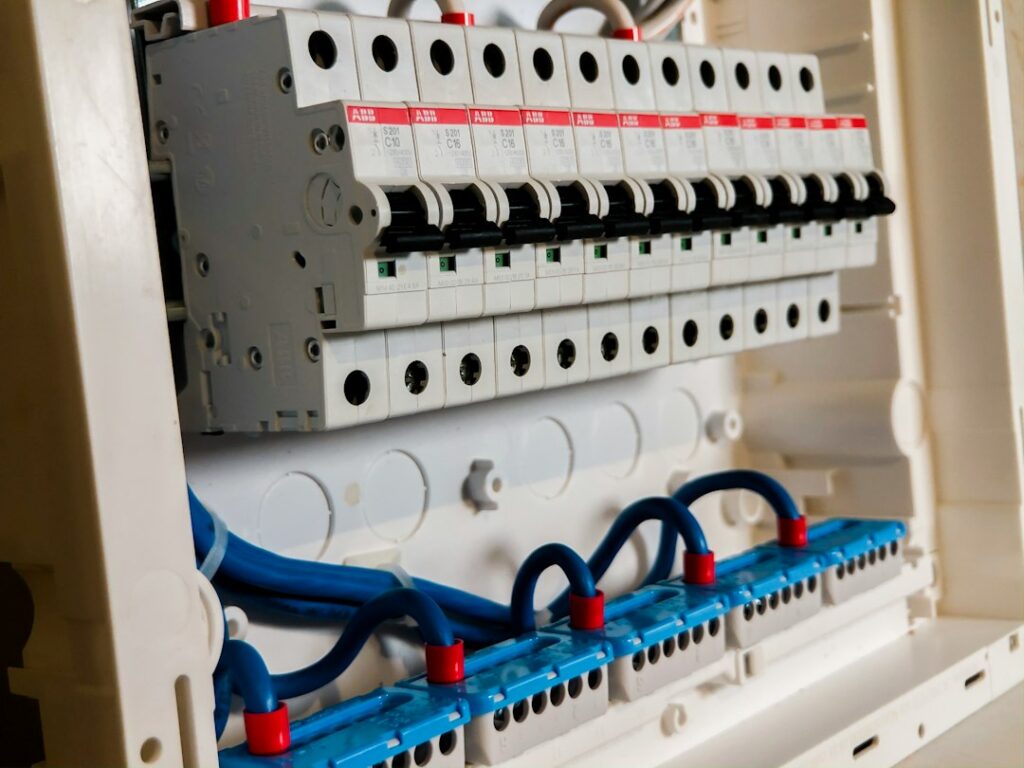
- An isolator switch, between the meter and your installation
- Your main protective device and fuse board
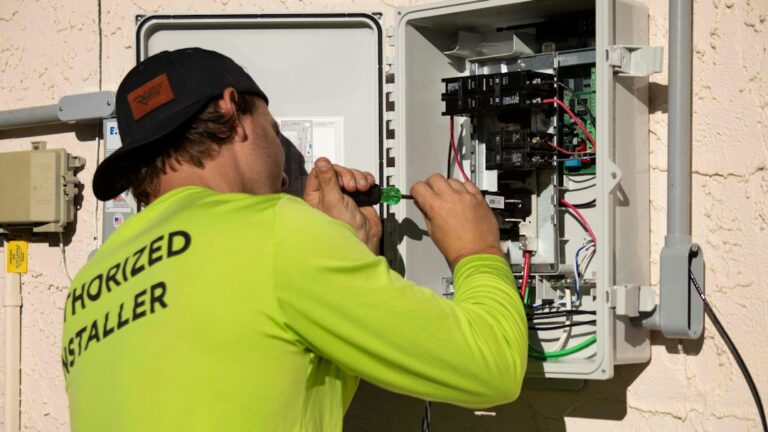
The gateway has to sit on the main supply cables between the meter and your fuse board, because it switches the whole house. To connect it, the electrician must work on those cables with them dead. The isolator in the meter cabinet is the safe point to switch them off.
Why smart meters changed things
Older ESB meters often had an isolator built in. The smart meters now fitted across Ireland don’t. ESB Networks normally fits a separate isolator alongside a new smart meter, but it isn’t always there, especially on older installs.
If there’s no isolator, the only way to make the cables dead is for ESB Networks to remove the main fuse. That needs a booked appointment, and ESB Networks’ process for fitting a missing isolator can involve your registered electrician certifying the installation, a fee and a wait. In our experience this is the number one cause of delays on backup installs.
How to check your meter cabinet
- Open your meter box (outside wall or hall cupboard). Don’t touch anything inside.
- Look for a separate switch with an on/off lever between the meter and the cables going into the house, often lockable and on the right-hand side.
- Take a photo and send it to us. We’ll tell you if it’s suitable before we quote.
Our backup install checklist
- Meter cabinet isolator present (or arranged with ESB Networks before install day)
- Battery and inverter included on the NC6 notification to ESB Networks (an AC battery counts as microgeneration)
- Gateway or changeover sized for your main fuse and loads
- Decide whole-house or essential-circuits backup
- Labelling and isolation in line with I.S. 10101, the National Wiring Rules
- Test the switchover with you on handover day
Frequently asked questions
Do I need an isolator switch in my meter cabinet for a battery?
For a backup gateway, yes in practice. The gateway goes between the meter and fuse board, and the isolator lets your electrician safely switch off the supply. Without it, ESB Networks has to pull the main fuse.
Do ESB smart meters have an isolator?
No. Smart meters don’t have a built-in isolator switch. ESB Networks usually fits a separate one, but not every home has it.
Can my battery power my house in a power cut?
Only with a backup gateway or built-in backup switching that disconnects your home from the grid. See will your solar battery work in a power cut?
Who fits the meter cabinet isolator?
It sits on ESB Networks’ side of the arrangement, so it goes through ESB Networks’ process. Your registered electrician may need to certify your installation first. Ask early, as it can take time.
Want backup that actually works in a power cut?
Send us a photo of your meter cabinet and we’ll check it before we quote.
Get backup advice or call 083 480 0023
Sources: ESB Networks microgeneration and battery storage guidance (NC6, I.S. 10101 isolation and backup operation requirements); Safe Electric guidance on meter cabinet equipment. Practical notes are from Irish Wind & Solar installs. Rules can change; your installer confirms requirements for your home. Updated November 2026.
Some links in this post are affiliate links. As an Amazon Associate we earn from qualifying purchases, at no extra cost to you.