
Is Using Copex Conduit on Inverter Connections Safe?
Safe Inverter Wiring in Ireland: Is Copex Conduit a Good Idea?
Is Using Copex Conduit on Inverter Connections Safe?
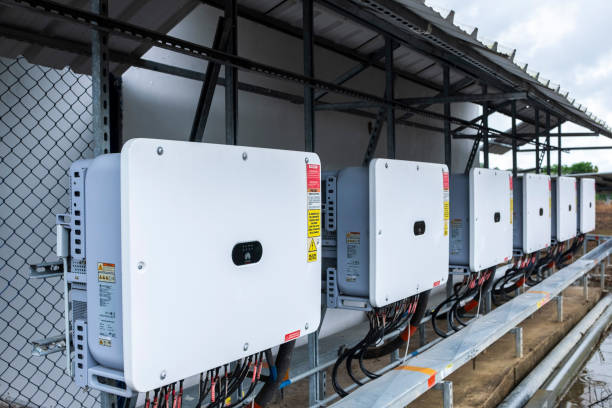
Practical Guidance for Solar and Wind Installations in Ireland
As renewable energy systems become more common across Ireland, homeowners and installers are paying closer attention to safe wiring practices and proper cable management. One question that occasionally comes up is whether it is safe to use Copex flexible conduit on the cables going into or out of an inverter.
The short answer is: yes, Copex conduit can be a safe and practical solution when installed correctly. However, there are some important considerations, especially for solar PV and small wind systems where inverters operate continuously and carry significant electrical loads.
What is Copex Conduit?
Copex is a flexible corrugated conduit used to protect electrical cables. It is widely used in residential, commercial, and renewable energy installations because it:
- Protects cables from mechanical damage
- Keeps wiring tidy and organised
- Provides a degree of environmental protection
- Allows easier routing compared with rigid conduit
In many solar and wind installations, Copex is used to carry DC battery cables, AC output cables, or communication wiring between system components.
Using Copex with Inverters
Inverters are the heart of most renewable energy systems, converting DC power from batteries, solar panels, or wind turbines into usable AC electricity. Because they handle substantial power, correct cable installation is critical.
Using Copex conduit around inverter cables is generally acceptable and often recommended, provided several best-practice guidelines are followed.
1. Maintain Proper Ventilation
Inverters generate heat during operation and rely on airflow through cooling vents or fans.
Installers should ensure that:
- Conduit does not block ventilation openings
- Cable bundles do not restrict airflow around the unit
- Adequate clearance is maintained around the inverter.
Blocking ventilation can lead to overheating and reduced lifespan.
2. Use Correct Cable Sizes
The conduit itself does not determine safety — the cables inside it do. All wiring must be sized correctly for the current the inverter can draw or supply.
For example:
- Battery cables on hybrid or off-grid systems may carry very high DC currents.
- Undersized cables can overheat even if they are protected inside conduit.
Always follow the inverter manufacturer’s cable sizing recommendations.
3. Avoid Mechanical Stress on Terminals
One common mistake is allowing the weight or stiffness of the conduit to pull on inverter terminals.
To prevent this:
- Secure conduit with clips or supports near the inverter
- Ensure cables have a small service loop
- Avoid tight bends directly at connection points
This prevents loose connections and potential overheating.
4. Avoid Overcrowding Conduit
If too many cables are packed into a single conduit run, heat can build up and cables may not dissipate heat effectively.
Best practice is to:
- Use appropriately sized conduit
- Separate high-current cables from sensitive signal cables where possible
- Follow recommended fill ratios
5. Use Proper Cable Glands and Entry Points
Where cables enter the inverter enclosure, installers should use:
- Correct cable glands
- Manufacturer-approved entry points
- Proper strain relief
This helps maintain the enclosure’s protection rating and ensures cables remain secure over time.
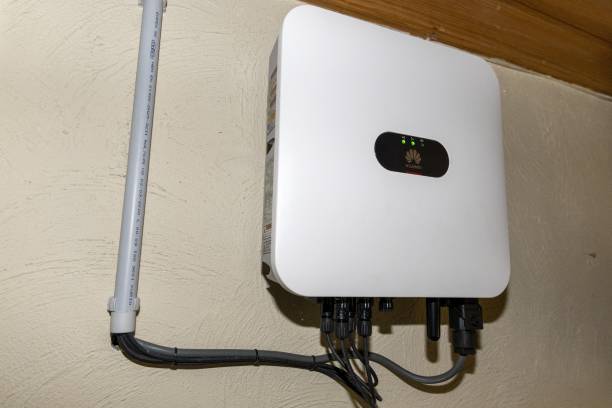
Common Installation Mistakes with Solar Inverters in Ireland
From site surveys and real-world installations, a few issues appear regularly in Irish solar setups:
- Conduit blocking inverter cooling vents
- Battery cables that are undersized for high current loads
- DC and communication cables run together in tight conduit
- Poor strain relief at inverter terminals
- Conduit pulling on the inverter connection points
Most of these issues are easy to prevent with careful planning during installation.
Related Solar Inverter Guides
If you’re researching inverter options for a solar or battery system in Ireland, you may also find these guides helpful:
- Our detailed review of the MyEnergi Libbi battery inverter
https://irishwind.ie/2026/02/17/the-myenergi-libbi-battery-inverter-review-2026/ - An in-depth look at the Fox inverter, an underrated option for Irish households
https://irishwind.ie/2026/01/03/fox-inverter-review-the-underrated-solar-choice-for-irish-households/ - A guide to Tesla Solar systems in Ireland and whether they’re worth it in 2026
https://irishwind.ie/2025/11/14/tesla-solar-in-ireland-the-smart-choice-for-2026/
These articles break down performance, features, and suitability for Irish homes considering solar and battery storage.
Is Copex a Good Choice for Irish Installations?
Given Ireland’s climate, protecting wiring from moisture, abrasion, and environmental exposure is especially important. Flexible conduit such as Copex can be a practical option for solar and wind systems installed in:
- garages
- sheds
- plant rooms
- outdoor inverter enclosures
When installed correctly, it provides useful cable protection while maintaining flexibility for routing and future maintenance.
Final Thoughts
Copex conduit can absolutely be part of a safe and tidy inverter installation. The key is not simply the conduit itself, but how the entire cable system is designed and installed.
By ensuring proper ventilation, correct cable sizing, secure routing, and appropriate fittings, installers can maintain both safety and reliability in renewable energy systems.
As Ireland continues to expand its renewable energy capacity, attention to these practical installation details will help ensure systems remain efficient, durable, and safe for years to come.
Thinking About Installing Solar or Battery Storage?
If you’re planning a renewable installation and want to ensure everything — from inverter choice to wiring and cable protection — is installed correctly, the team at Irish Wind can help.
We offer free site surveys to assess your property and recommend the best solar, battery, or inverter setup for your home.
👉 Contact us here to arrange your free assessment:
https://irishwind.ie/contact/


Jeff