Best Domestic Wind Turbines for Irish Households in 2026: Are They Worth It?

nterest in domestic wind turbines is growing across Ireland as homeowners look for ways to reduce electricity bills and increase energy independence.
While solar panels remain the most widely adopted form of home renewable energy, industry observers say small-scale wind systems are beginning to attract attention — particularly in rural areas with strong and consistent wind conditions.
👉 For more renewable energy insights, visit IrishWind.ie
Ireland’s Wind Advantage
Ireland’s geographic position on the Atlantic coast gives it one of the strongest wind resources in Europe. This makes wind energy especially effective during autumn and winter months, when solar generation typically drops.
Energy analysts note that wind turbines can complement solar panels, helping households maintain energy production throughout the year.
What Domestic Turbines Can Deliver
Small-scale wind turbines installed at residential properties can contribute to:
- Lower electricity bills
- Reduced reliance on the grid
- Charging home battery systems
- Supporting EV charging in some cases
However, performance depends heavily on location. Urban settings with obstructions tend to produce limited results, while open rural sites see significantly higher output.
Products Available on the Market
A range of small wind turbines are currently available to Irish consumers, from entry-level DIY systems to larger, professionally installed units.
Examples include:
- The Rutland 1200, a compact turbine commonly used in off-grid and marine applications
- The Air Breeze, designed for battery charging with integrated regulation
- Budget systems such as ECO-WORTHY 800W turbines, often used in DIY renewable setups
- Higher-capacity turbines from manufacturers like Ryse Energy, aimed at farms and larger properties
👉 Example of a DIY turbine option: CLICK HERE TO VIEW
Industry experts caution that while lower-cost turbines can be useful for small-scale generation, they typically produce less energy than professionally installed systems.
Planning and Practical Challenges
Despite growing interest, domestic wind turbines are not suitable for every home.
Key considerations include:
- Planning permission requirements, which may apply depending on turbine size and location
- Noise levels, particularly in residential areas
- Mounting height and positioning, which significantly impact performance
- Exposure to consistent wind flow, essential for efficiency
As a result, installers generally recommend site assessments before proceeding with installation.
A Complement, Not a Replacement
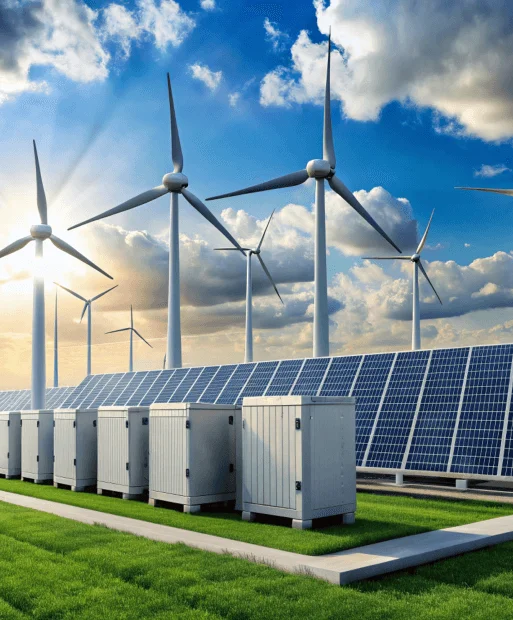
Energy specialists emphasise that, for most households, wind turbines are best used alongside solar panels rather than as a standalone solution.
Solar systems typically generate more electricity during summer, while wind turbines perform better in winter — making the combination more balanced across the year.
Growing Role in Home Energy Mix
Although still less common than solar PV, domestic wind turbines are expected to play a growing role in Ireland’s residential energy mix, particularly as technology improves and energy costs remain volatile.
For homeowners in suitable locations, small wind systems may offer an additional way to increase self-sufficiency and reduce long-term energy costs.
Conclusion
Domestic wind turbines are unlikely to replace solar panels in Irish homes, but they are increasingly being considered as a supplementary renewable energy source, especially in wind-rich rural areas.
👉 Read more renewable energy news and guides at IrishWind.ie



Jeff