
Is Ireland’s Load Shifting Future Fading? EVs, Solar & the Grid’s New Reality
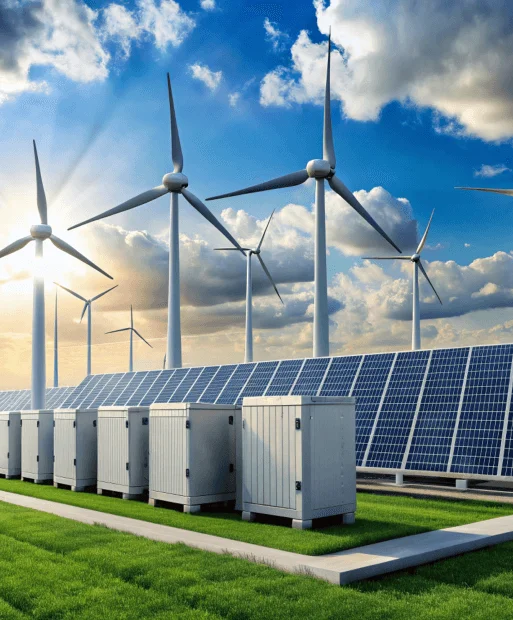
Renewable energy harnessed from solar power offers a sustainable and eco-friendly solution to meet the worlds.
Is Ireland’s Load Shifting Future Fading? EVs, Solar & the Grid’s New Reality

With rooftop solar PV adoption and EV charging on the rise across Ireland, a major energy trend is emerging: as more homes generate and manage their own electricity, reliance on traditional grid‑based load shifting systems may decline — with big implications for pricing, tariffs, and energy behaviour.
Ireland is seeing rapid uptake of residential solar PV and battery systems, and electric vehicles are increasingly common on Irish roads. This shift towards self‑generation and self‑consumption has created a new dynamic in how electricity demand is managed — and could effect how load shifting incentives work in the future.
🔍 What Is Load Shifting?
Load shifting refers to moving electricity use to times when demand is low or the grid has abundant renewable generation. It’s most often associated with:
- Charging batteries or EVs during off‑peak periods (e.g., overnight).
- Using stored solar during peak pricing windows.
- Taking pressure off the grid during high‑demand hours.
In practice, consumers benefit when tariffs and smart charging systems encourage energy use at cheaper or greener times.
🌞 Why Solar & EV Growth Changes the Game
As more households install solar PV systems and manage their own energy storage and EV charging:
- Less electricity is drawn from the national grid, especially during typical peak-demand hours.
- Traditional time‑of‑use incentives that rewarded moving demand to quieter grid periods become less relevant.
- Homes that generate their own power — and use it directly — don’t engage with grid pricing signals in the same way.
This means that load shifting incentives from electricity providers could become less attractive or less central to billing structures, even though no formal shutdown of these incentives has been announced. It’s simply the market adapting as consumer behaviour shifts toward local energy generation and storage.
This is a core reason organisations across Ireland’s renewable energy sector are focusing on energy independence and smarter self‑managed systems, including hybrid solutions like wind plus solar. Companies such as Irish Wind & Solar at IrishWind.ie provide insight and solutions for homeowners and businesses looking to maximise energy self‑consumption rather than rely on grid load shifting alone. Irish Wind & Solar
⚠️ What This Means for You
If you’re considering solar panels, batteries, or EV charging:
- Load shifting remains a valuable strategy — especially where tariffs reward shifting demand — but its importance may diminish as local generation rises.
- The focus could shift toward maximising self‑consumption of solar (and wind) energy, rather than responding primarily to grid pricing.
- Battery storage and smart inverters could become even more valuable, letting you store excess solar for times you need it most — without waiting on grid signals.
📊 A Renewable Future in Ireland
Ireland’s renewable generation continues to grow robustly. Wind energy alone provided a substantial share of Ireland’s electricity in recent years, illustrating how renewables are reshaping the electricity landscape nationally. Reddit
The rise of local solar PV generation and broader wind capacity across the country is a strong signal that the way we think about load shifting — and electricity pricing in general — is entering a new era.
As the energy landscape evolves, consumers who understand both grid‑based strategies like load shifting and self‑managed generation stand to benefit the most from Ireland’s transition to cleaner, smarter power.


Jeff